
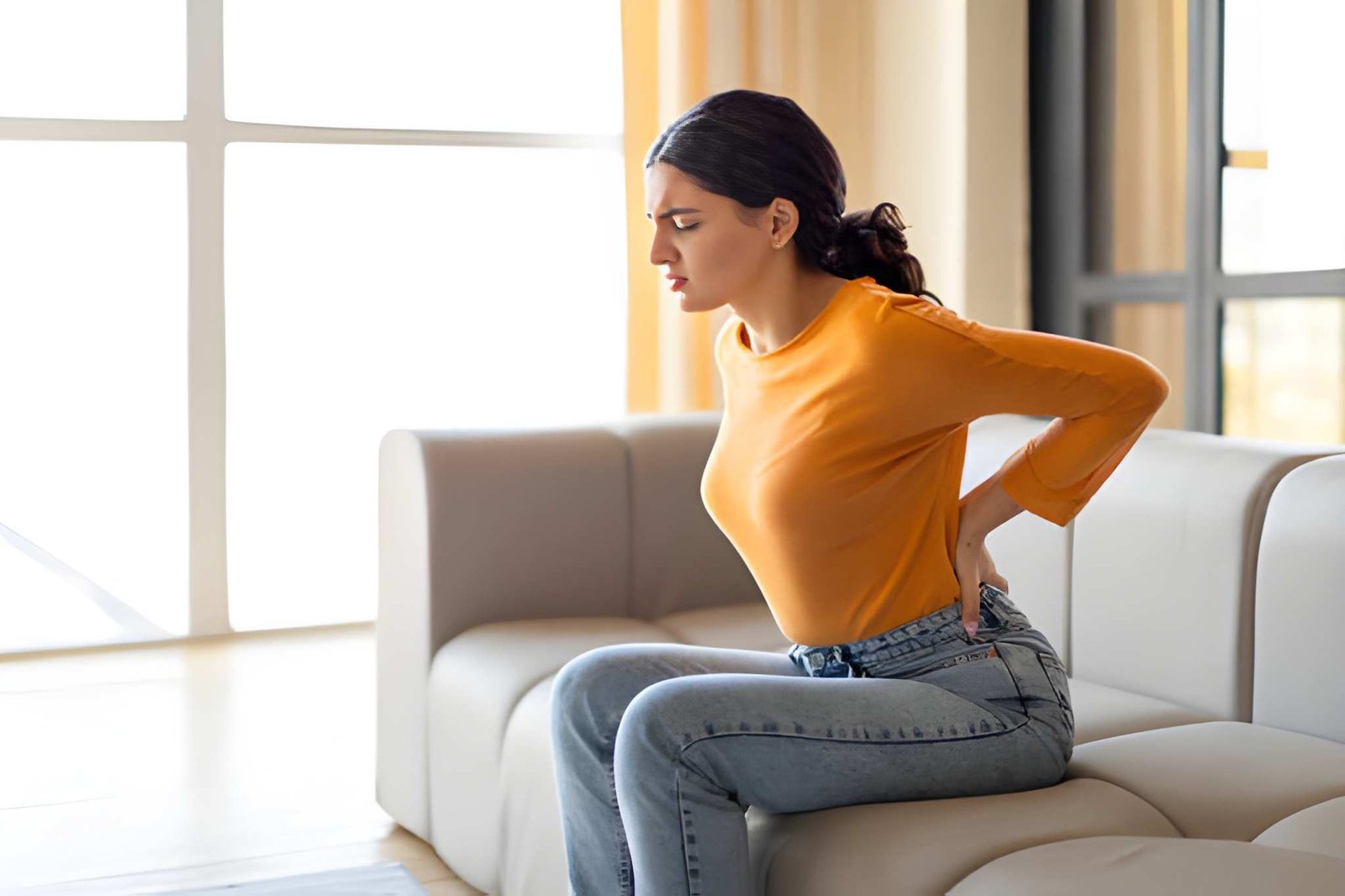
First Things First: Is Scoliosis a Disease?
Technically, scoliosis is generally classified as a spinal deformity rather than a disease. This doesn’t mean the spine is necessarily “sick”. Instead, it has an abnormal sideways curvature, unlike the natural alignment of a typical spine.
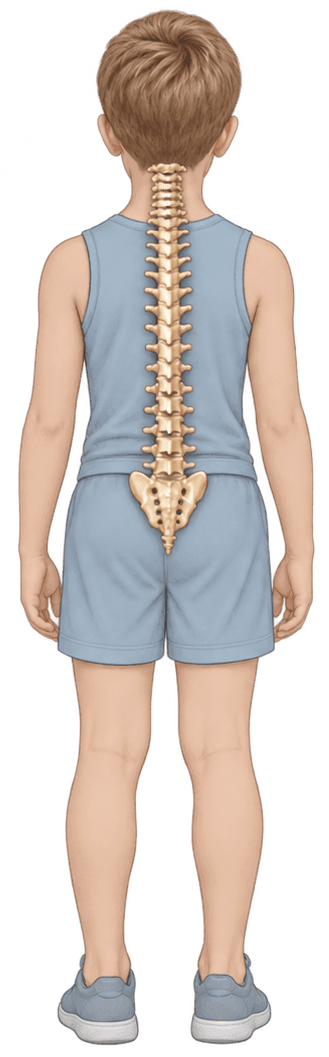
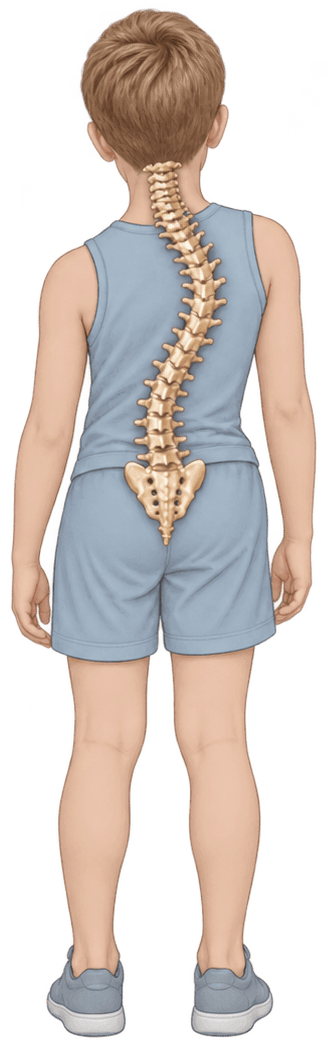
In practice, however, scoliosis can cause health problems, particularly when the curvature is severe or continues to progress. These may include back pain, weakness in the limbs, or difficulty standing upright. In more serious cases, scoliosis can lead to complications such as significant back pain, physical deformity, or even breathing difficulties.
That’s why managing this condition with the guidance of an orthopedic specialist is important. Depending on the severity of the curve and your individual circumstances, treatment may involve physical therapy, bracing, or, in more advanced cases, surgery. Some mild cases may only require regular monitoring.
If you’re in Loganville, GA, and suspect you may have scoliosis, you’ll find an experienced, board-certified team at Arch Orthopedic & Spine, ready to help you take the next step.
🔍 Read More: Is It Scoliosis or Bad Posture? Key Differences
3 Common Signs of Scoliosis
Scoliosis often develops without noticeable symptoms, which is one reason it can go undetected for some time. However, certain physical changes may help you recognize that something isn’t quite right with your spinal alignment.
While these signs alone can’t determine the severity of a spinal curve, they can help you recognize when it’s time to seek an orthopedic evaluation. Here are three of the most noticeable signs:
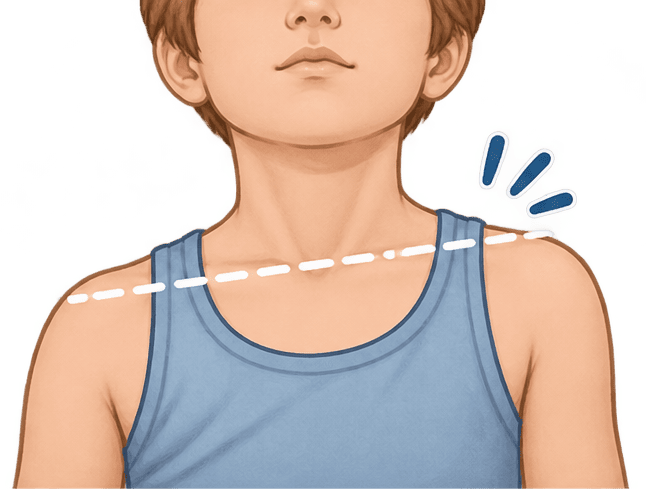
One shoulder may appear higher than the other.
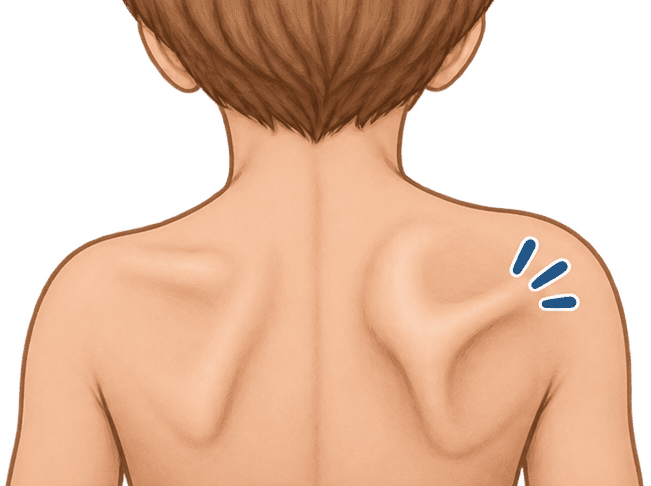
One shoulder blade may look more prominent than the other.
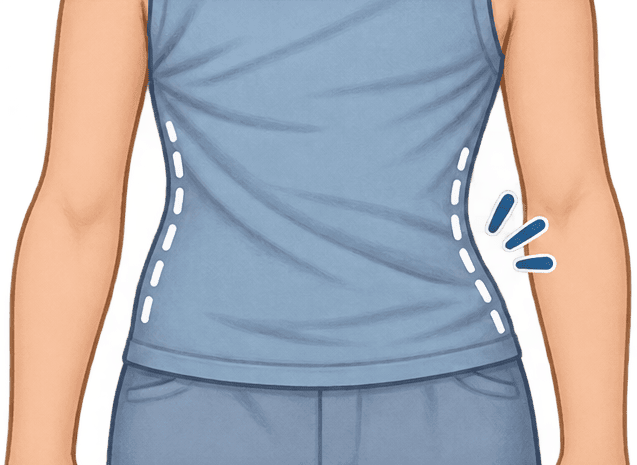
One side of the waist may look more defined or higher.
Is Scoliosis Genetic?
The exact cause of the most common form of scoliosis, known as idiopathic scoliosis, remains unknown. Although scoliosis isn’t always inherited, having a family member with the condition may increase your chances of developing it. In the United States alone, an estimated 3 million new cases of scoliosis are diagnosed every year.
What we do know is that early detection and appropriate care can make a difference for people living with scoliosis, whether in Loganville, GA, or anywhere else in the country. Identifying the condition early allows specialists to monitor the curvature and determine whether treatment is necessary.
🦴 Check Out All of Our Spine Services
Different Patients, Different Approaches to Scoliosis
Now that we’ve covered some key aspects of scoliosis, let’s return to our original question: Why does treatment vary from patient to patient?
The answer lies in factors such as age, the severity of the curve, its progression, and the symptoms involved. Depending on these factors, a specialist may recommend:
- Observation: Periodic monitoring of mild or stable spinal curves.
- Physical Therapy: Exercises to improve mobility, strengthen muscles, and help relieve discomfort.
- Bracing: Helps prevent certain spinal curves from worsening in children and teenagers who are still growing.
- Surgery: May be considered for severe or progressive curves, depending on the patient’s circumstances.
There is no single treatment that works for everyone. That’s why an individualized evaluation is essential to understanding what your spine needs. In Loganville, GA, the team at Arch can help you get a clear picture of your condition before deciding how to manage it.
FAQ
What is scoliosis caused by?
Most cases have no identifiable cause, although genetics, congenital spinal abnormalities, and certain neuromuscular conditions may play a role.
What organ is most affected by scoliosis?
Scoliosis primarily affects the spine, which is part of the skeletal system. In severe cases, the curvature may also affect the lungs by limiting the space available for breathing.
What should you avoid if you have mild scoliosis?
Mild scoliosis doesn’t necessarily mean giving up your favorite activities. However, avoid pushing through pain or following exercise routines that aggravate your symptoms. Ask your Loganville, GA, specialist whether any modifications are necessary for your particular condition.
Find the Right Approach to Your Scoliosis in Loganville, GA
Living with scoliosis doesn’t mean putting your life on hold. Whether you’ve recently noticed changes in your posture or have been managing the condition for years, understanding your spine is the first step toward finding the care you need.
At Arch Orthopedic and Spine, our team can help you assess your spine health. Schedule an appointment at our Loganville, GA, location today and let our team guide you toward better orthopedic health.
